Women Living Under Obamacare

“I had a hysterectomy, I have no need for maternity coverage, but I have to now pay for it. I have to pay not only my own premium but I have to subsidize everybody else.”
Resident of Newport Beach, California, Start Tribune
Under ObamaCare, the U.S. Preventative Services Task Force will be among a “host of new boards and committees” empowered “to arbitrate over what insurance will pay for.” After this government board and others mandate what they think your insurance plan should cover, “health plans will have to offset those costly mandates by dropping coverage for things that don’t make the board’s grade.”
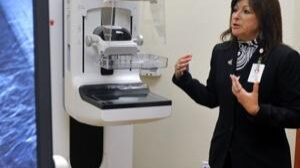
The U.S. Preventative Services Task Force gained notoriety 2009 after it “made the controversial decision to advocate that women ages 40-49 shouldn’t get routine mammograms.”
The U.S. Preventative Services Task Force has already not recommended:
- Chlamydia screening in most women over 25
- Cervical-cancer screening in those over 65
- Breast-cancer screening using digital mammography or MRI instead of the traditional plain film
- Screening for ovarian cancer and the genes that raise a women’s risk of breast cancer also don’t make the cut
- Same for clinical breast exams in women older than 40
In 2008, “women accounted for three-fifths of all Americans enrolled in Medicaid.” Under ObamaCare, “an additional 11 to 17 million people—disproportionately men—into Medicaid,” a healthcare program for the poor. Medicaid is already “is under enormous strain because its costs grow faster than state tax revenues do,” which has led to state governments “cutting services to women on Medicaid.”
Women “have been starting new businesses at a faster rate than men for the last 20 years, and are expected to create the majority of new small-business jobs in the years to come.” Under ObamaCare, fines and regulations will increase costs for small businesses and discourage their growth.
The physician reimbursement cuts to Medicare under ObamaCare “will worsen the emerging shortage of primary-care physicians, making it harder for women to get the regular preventive care they need to diagnose breast cancer early on, when the disease can be adequately treated.”